
-
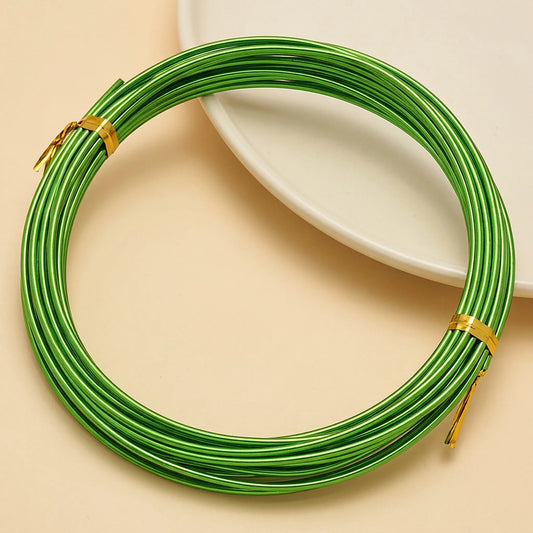
Anodized Round Aluminum Wire 2-10 Meters, 0.6-3mm
Regular price From $14.41 USDRegular price$4.85 USDSale price From $14.41 USD -
Anodized Round Aluminum Craft Wire 0.6-3mm
Regular price $9.66 USDSale price $9.66 USD -
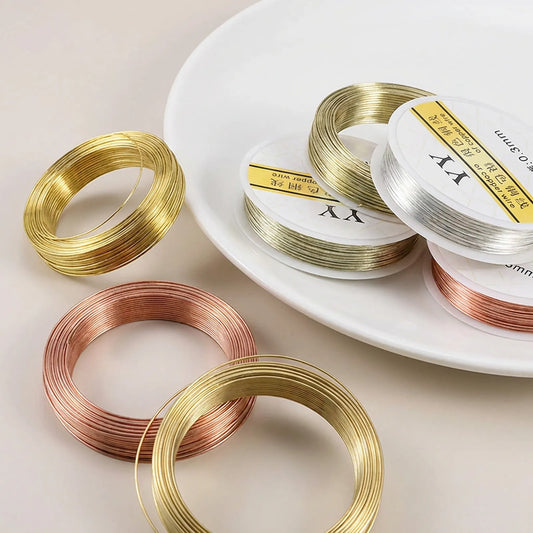
Colored Copper Wire for Jewelry Making 0.2-1.0mm
Regular price $9.91 USDRegular price$5.41 USDSale price $9.91 USD -
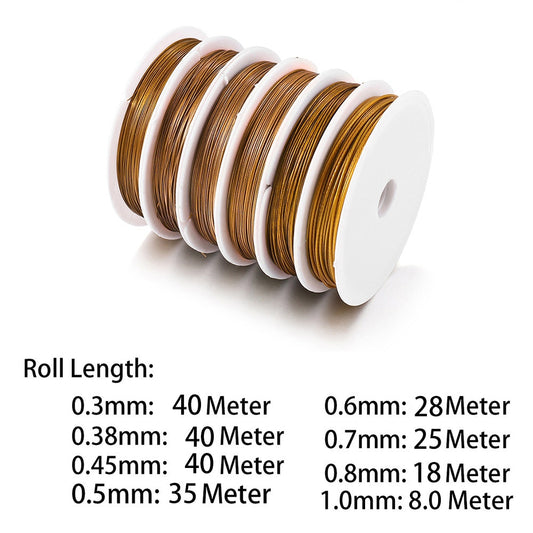
Stainless Steel Tiger Tail Beading Wire 0.3–1.0mm
Regular price $11.92 USDRegular price$7.61 USDSale price $11.92 USD -
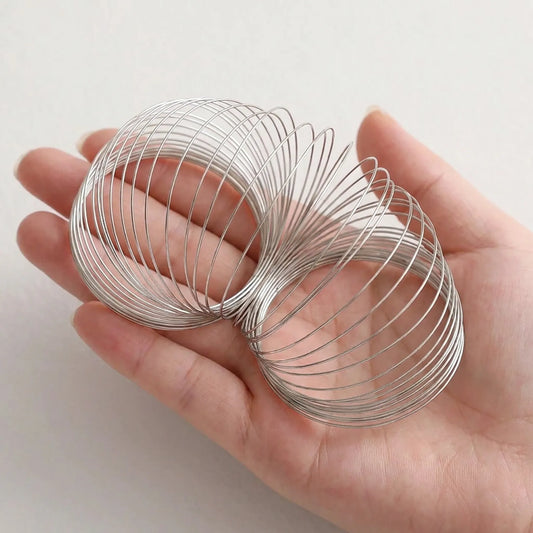
Memory Steel Bracelet Wire 0.6mm 100 Loops
Regular price $10.65 USDRegular price$6.22 USDSale price $10.65 USD -
Soft Anodized Metal Aluminum Wire 2-3mm, 2-10M Roll
Regular price From $14.41 USDRegular price$4.85 USDSale price From $14.41 USD -
Soft Anodized Metal Aluminum Wire 0.6-1.5mm, 2-10M Roll
Regular price From $13.69 USDRegular price$4.05 USDSale price From $13.69 USD -
Copper Wire "Never Fade", Thread Metal String Wire - 7 Rolls
Regular price From $22.10 USDRegular price$24.32 USDSale price From $22.10 USDSale -
Flexible Elastic Wire for Beaded Jewelry, 10Meters lot
Regular price $13.43 USDRegular price$3.78 USDSale price $13.43 USD -
0.3mm 0.45mm 0.5mm 0.6mm Stainless Steel Gold Resistant Strong Line Wire, 1Roll
Regular price From $14.66 USDRegular price$5.12 USDSale price From $14.66 USD -
Sturdy Gold Alloy Copper Wire Dia 0.2 0.3 0.4 0.5 0.6 0.7 0.8 1 mm, 1 Roll
Regular price From $13.69 USDRegular price$4.05 USDSale price From $13.69 USD -
Colored Copper Beading Wire 0.3mm 15m & 0.4mm 9m
Regular price $8.93 USDSale price $8.93 USD









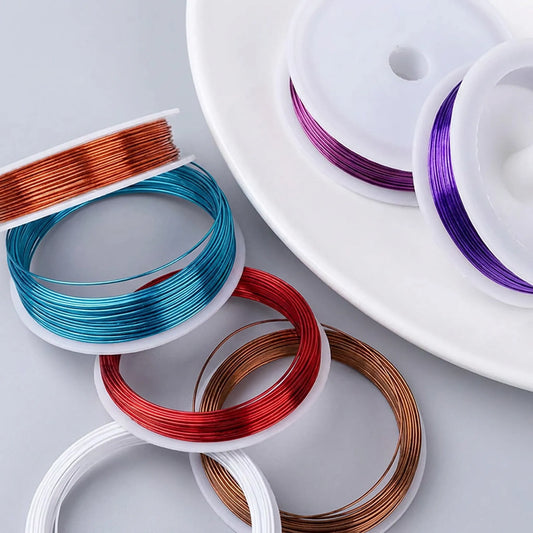
Collection: Jewelry Wire for Jewelry Making
What Is Jewelry Wire?
Jewelry wire for jewelry making is one of the most versatile materials found in a jewelry maker's workspace. It is used in projects that range from simple beaded jewelry to more detailed handmade pieces, serving as both a structural and decorative element. Depending on the type of wire selected, it may hold beads in place, create links and connectors, form loops, or become part of the visible design.
This category includes many types of jewelry wire intended for a wide range of materials, styles, and creative applications. Rather than representing a single product, it brings together wire options in multiple metals, gauges, colors, and finishes, making it easier to compare materials for handmade jewelry.
Because each project has different requirements, many jewelry makers keep several types of wire available instead of relying on one universal option.
Wire Types, Materials, and Sizes
Jewelry making wire is available in a wide selection of materials, each offering its own appearance and working characteristics. Beading wire is commonly used with loose beads and strands, while craft wire for jewelry is often chosen when the wire remains visible as part of the finished design. Memory wire retains its circular shape, aluminum wire is lightweight and easy to shape, and stainless steel wire is frequently selected for projects that require additional strength.
Copper, brass, stainless steel, aluminum, and plated wire are among the materials commonly found in jewelry wire supplies. Many collections also include colored wire that allows makers to coordinate metal accents with beads, findings, or decorative components.
Wire is produced in different gauges, with thinner wire generally used for smaller components and fine details, while thicker gauges provide greater support for larger designs. Surface finishes also vary, from bright polished wire to matte and antique-inspired finishes that complement many jewelry styles.
Jewelry Projects and Creative Possibilities
Wire for jewelry making appears in many types of handmade jewelry. Bracelets often combine wire with gemstone beads or metal beads to create structured or flexible designs. Necklaces may incorporate wire as a stringing material, decorative accent, or connector between individual elements.
Earrings, pendants, charms, bookmarks, ornaments, and other accessories can also be created using different wire types. Some designs highlight the wire itself, while others use it mainly as a supporting component that remains partially hidden once the jewelry is assembled.
Wire can also be combined with chain for jewelry making, natural stones, crystals, glass beads, or cords and threads to introduce additional texture and create more varied designs.
Combining Jewelry Wire with Other Jewelry Components
Jewelry wire is typically used alongside a wide range of complementary supplies. Jewelry findings such as jump rings, clasps, ear wires, head pins, connectors, and crimp components help transform wire and beads into finished jewelry. Selecting compatible findings is just as important as choosing the wire itself, since both contribute to the appearance and functionality of the completed piece.
Gemstone beads and metal beads are frequently combined with wire to create balanced designs that mix natural textures with metallic details. Chain, decorative components, and textile materials can also be incorporated to expand design possibilities and create different visual effects.
Keeping several wire types, gauges, and finishes on hand gives jewelry makers greater flexibility when planning future projects. Comparing materials before starting a project often makes it easier to select components that work well together and support the intended style of the finished piece.
